Top 10 High-Protein Recipes Every Coach Should Include in Their Recipe Book
Discover 10 high-protein meal ideas that drive client results. Get meal names, macro breakdowns, and practical guidance on why these recipes work for your co...
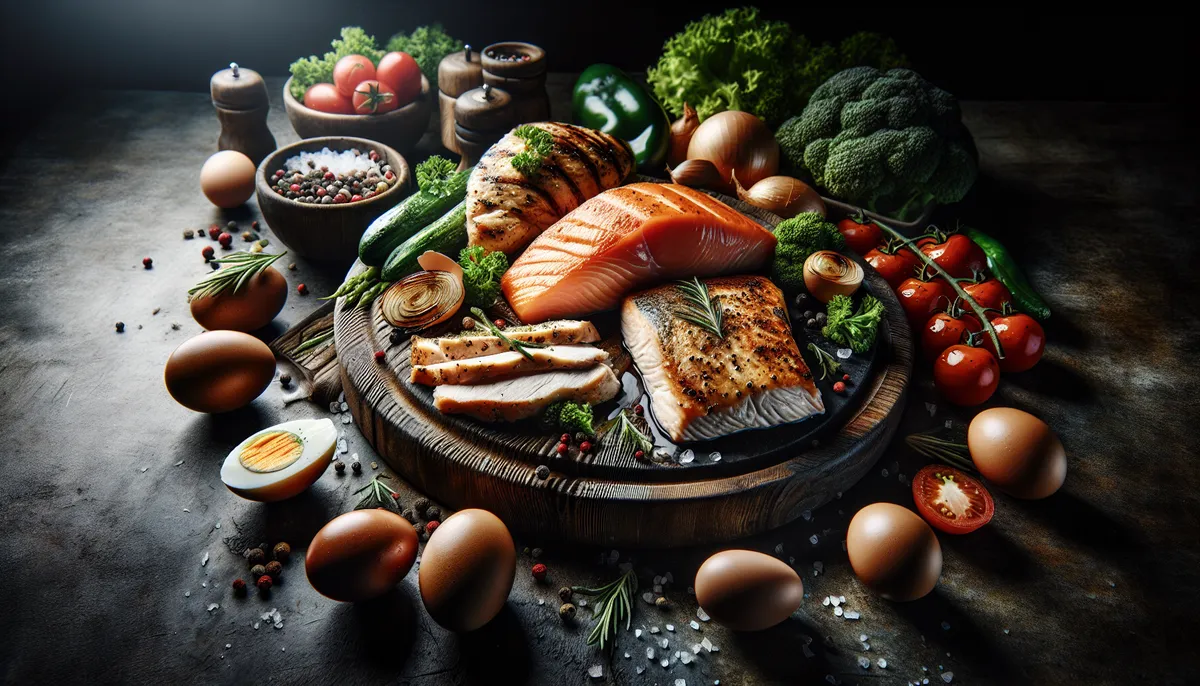
Protein is the macronutrient that builds muscle, preserves lean mass during cuts, and keeps clients satisfied between meals. It’s also the reason most clients fall short: they don’t hit their protein targets because they don’t know what to cook.
This is where your recipe book becomes a client retention tool. By curating high-protein meals that are actually delicious (and doable for busy people), you remove the most common barrier to protein intake.
In this guide, we’ll walk through 10 high-protein recipes every coach should include in their HubFit recipe book. These aren’t just nutritious. They’re meals clients will actually want to eat multiple times per week.
Breakfast Recipes
1. Protein Pancakes with Berries
Brief Description: Fluffy pancakes made from eggs, oats, and protein powder, topped with fresh berries and Greek yogurt. Zero added sugar, satisfies sweet cravings while hitting protein targets.
Approximate Macros (per serving):
- Protein: 35g
- Carbs: 28g
- Fat: 8g
- Calories: 270
Why It Works for Clients: Pancakes feel like a treat, which matters psychologically. Clients are more likely to stick with a nutrition plan when breakfast doesn’t feel like deprivation. The high protein prevents mid-morning hunger crashes, and the fiber from oats keeps clients full until lunch. Perfect for clients who struggle with breakfast consistency.
Coach Notes: Make these 2x per week for meal prep. They freeze beautifully and reheat in 30 seconds. Clients appreciate that this doesn’t require a ton of cooking skill.
2. Veggie-Packed Egg Muffins
Brief Description: Baked eggs mixed with vegetables (spinach, peppers, mushrooms), cheese, and lean meat. Grab-and-go breakfast that delivers massive protein with minimal prep.
Approximate Macros (per muffin):
- Protein: 12g
- Carbs: 2g
- Fat: 6g
- Calories: 110
Why It Works for Clients: This is the ultimate “I don’t have time for breakfast” solution. Clients can make 12 muffins on Sunday and have breakfast handled for nearly two weeks. The protein-to-calorie ratio is exceptional, making these a staple for clients in a caloric deficit.
Coach Notes: Encourage clients to rotate vegetable combinations to prevent boredom. Makes this feel like variety even though it’s the same base recipe.
Lunch & Dinner Recipes
3. Grilled Chicken with Sweet Potato & Broccoli
Brief Description: Seasoned grilled chicken breast served with roasted sweet potato and steamed broccoli. The classic “clean eating” plate that actually tastes good when properly seasoned.
Approximate Macros (per serving):
- Protein: 45g
- Carbs: 42g
- Fat: 5g
- Calories: 390
Why It Works for Clients: This meal is the foundation of successful coaching. It’s simple enough to prep in bulk, macro-flexible (adjust potato size for carbs), and hits a massive protein target. Clients who eat this 4-5x per week see reliable results. The familiarity also means clients will actually prepare it instead of “planning” to and ordering takeout.
Coach Notes: This is the meal to use as your baseline for teaching clients about macro flexibility. Show them how changing sweet potato to brown rice or adding oil for cooking can shift macros without changing the meal fundamentally.
4. Turkey Taco Lettuce Wraps
Brief Description: Ground turkey seasoned with taco spices, wrapped in crispy lettuce leaves with toppings: salsa, Greek yogurt, cheese, and avocado. High-protein, low-carb alternative to traditional tacos.
Approximate Macros (per serving, 2 wraps):
- Protein: 32g
- Carbs: 8g
- Fat: 14g
- Calories: 290
Why It Works for Clients: Clients crave tacos. This delivers taco satisfaction without the calorie bomb of traditional taco shells or tortillas. The high protein and healthy fats keep clients satisfied, and the low carbs make this ideal for clients prioritizing fat loss. It’s also naturally intuitive. Once clients see the concept, they can swap proteins and toppings easily.
Coach Notes: This is a gateway meal for clients exploring higher-protein, lower-carb eating. Use it to show that “healthy eating” can still feel indulgent and restaurant-quality.
5. Salmon with Quinoa & Roasted Vegetables
Brief Description: Pan-seared salmon filet served with fluffy quinoa and a medley of roasted vegetables (broccoli, carrots, zucchini). Omega-3 rich and nutrient-dense.
Approximate Macros (per serving):
- Protein: 38g
- Carbs: 48g
- Fat: 16g
- Calories: 450
Why It Works for Clients: Salmon is the “smart person’s protein.” Clients associate it with health and feel like they’re making sophisticated choices. Quinoa provides complete protein (valuable for plant-forward clients), and the healthy fats support hormone function and satiety. This meal screams “nutrient-dense” without requiring hours of prep.
Coach Notes: Salmon’s omega-3s and vitamin D make this particularly valuable for clients struggling with recovery or inflammation. Mention this context when introducing the recipe. It helps clients understand the why beyond just macros.
6. Lean Ground Beef & Lentil Bolognese
Brief Description: Ground beef mixed with cooked lentils in a tomato-based sauce, served over zucchini noodles or whole wheat pasta. Protein-packed and satisfying.
Approximate Macros (per serving with zucchini noodles):
- Protein: 42g
- Carbs: 18g
- Fat: 12g
- Calories: 330
Why It Works for Clients: Mixing ground beef with lentils stretches the protein while reducing saturated fat and cost. Clients appreciate affordability. The tomato sauce provides lycopene and natural sweetness, satisfying cravings. Using zucchini noodles keeps it low-carb while whole wheat pasta works for higher carb days.
Coach Notes: Frame this as a “flexible meal.” Show how the same bolognese sauce works over pasta, rice, or noodles depending on daily macro targets. This teaches clients to view meals as modular.
Snack Recipes
7. Greek Yogurt Protein Parfait
Brief Description: Thick Greek yogurt layered with granola, berries, and a drizzle of honey or nut butter. Tastes like dessert but hits serious protein targets.
Approximate Macros (per serving):
- Protein: 28g
- Carbs: 32g
- Fat: 8g
- Calories: 280
Why It Works for Clients: This bridges the gap between “snack” and “mini-meal.” Clients love it because it satisfies sweet cravings without guilt. The protein-to-calorie ratio means clients can fit this into almost any macro target. It’s also portable, so clients can eat this at their desk, in the car, or at the gym.
Coach Notes: Emphasize that Greek yogurt quality matters. Full-fat Greek yogurt tastes dramatically better than nonfat, and the extra fat helps with satiety and hormone function.
8. Chicken Salad Lettuce Wraps
Brief Description: Shredded rotisserie chicken mixed with Greek yogurt, diced vegetables, and herbs, wrapped in large lettuce leaves. Protein-rich, hydrating, and incredibly simple.
Approximate Macros (per wrap):
- Protein: 24g
- Carbs: 3g
- Fat: 5g
- Calories: 145
Why It Works for Clients: This is the ultimate “no-think” snack. Clients can buy a rotisserie chicken and assemble these in 5 minutes for 3-4 days of snacks. The high protein and almost zero carbs make this perfect for clients looking for sustained energy without a glucose spike. It’s also one of the cheapest high-protein snacks available.
Coach Notes: Encourage clients to make this their “default” snack. Simplicity drives consistency, and consistency drives results.
9. Cottage Cheese with Berries & Granola
Brief Description: Creamy cottage cheese topped with fresh berries, granola, and a touch of honey. High protein, casein-rich, and satisfying.
Approximate Macros (per serving):
- Protein: 26g
- Carbs: 24g
- Fat: 5g
- Calories: 230
Why It Works for Clients: Cottage cheese is underrated in modern nutrition coaching. It’s protein-dense, cheap, and the casein protein digests slowly, making it perfect for evening snacks or before bed. The casein release also makes this valuable for muscle synthesis during sleep.
Coach Notes: Many clients won’t have eaten cottage cheese before. Frame it as “premium dairy protein” rather than emphasizing tradition. Show them how the slow digestion makes this strategically better than Greek yogurt for certain times of day.
Meal Prep Mastery
10. Shredded Chicken Burrito Bowls (Batch Cook Edition)
Brief Description: Slow-cooked shredded chicken seasoned with Mexican spices, served with brown rice, black beans, corn, salsa, and topped with Greek yogurt and avocado. Freezer-friendly and endlessly customizable.
Approximate Macros (per serving):
- Protein: 38g
- Carbs: 52g
- Fat: 11g
- Calories: 450
Why It Works for Clients: This is the gold standard of meal prep recipes. Clients can make 6-8 servings on Sunday and have lunch handled for two weeks. The combination of protein (chicken + beans), carbs (rice), healthy fats (avocado), and vegetables creates a nutritionally complete meal. The familiarity of burrito bowl format means clients actually want to eat it.
Coach Notes: This is where you demonstrate the power of batch cooking. Use this recipe to onboard new clients to meal prep. It’s almost impossible to mess up, and the results speak for themselves.
Building Your High-Protein Recipe Collection
These 10 recipes represent the foundation of a solid high-protein recipe library. Notice they span:
- Protein sources: Chicken, turkey, beef, salmon, eggs, legumes, Greek yogurt, cottage cheese
- Preparation methods: Grilled, baked, slow-cooked, no-cook
- Macro profiles: Balanced, high-carb, low-carb, high-fat
- Use cases: Breakfast, lunch, dinner, snacks, batch prep
When building your recipe book in HubFit, start with recipes like these and expand from there. Clients need variety, but more importantly, they need a solid foundation of trusted meals they’ll actually eat.
Implementation Strategy
- Add these 10 first: Use these as your HubFit foundation
- Test each recipe: Make sure you can execute them in the time you claim
- Add 1-2 new recipes monthly: Gradually build without overwhelming yourself
- Get client feedback: Ask which recipes clients actually use and double down on those
Learn more about recipe book section ideas and choosing the right recipe book template to organize these meals effectively.
The Reality of High-Protein Recipe Strategy
High-protein eating isn’t about exotic ingredients or complicated techniques. It’s about repeatable meals that fit into clients’ real lives. These 10 recipes work because they’re:
- Practical: Doable without professional kitchen skills
- Macro-friendly: Hit high protein targets consistently
- Repeatable: Clients won’t get bored eating these 3-4x per week
- Affordable: Won’t bankrupt clients or your coaching practice
- Flexible: Work within various dietary preferences and macro targets
Master these 10 recipes with your clients, and you’ve solved one of the biggest barriers to nutrition success: knowing what the heck to cook.
Transform Your Recipe Book Into a Results Tool
Your recipe book isn’t just a collection of meals. It’s a coaching tool that bridges the gap between theory and practice. High-protein recipes are the foundation because protein is where results happen.
Add these 10 recipes to your HubFit recipe book today and watch client compliance improve.
Related Reading

The HubFit team shares expert insights on training, nutrition, and wellness to help coaches and clients achieve their fitness goals.