10 Recipe Book Section Ideas That Keep Clients Engaged
Discover creative ways to organize sections in your HubFit recipe book. From macro-focused to seasonal collections, these 10 ideas will keep your clients com...
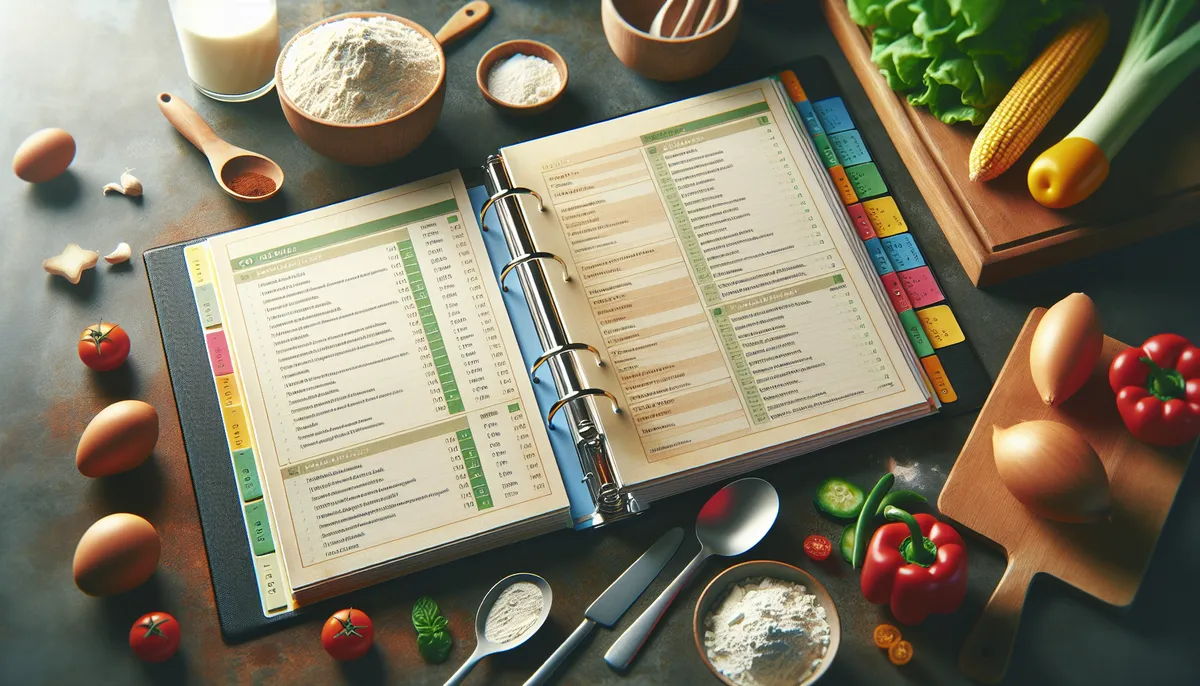
The difference between a recipe book your clients bookmark and one they ignore often comes down to organization. When sections are logical, inspiring, and relevant to your clients’ actual lives, they become a resource they return to again and again.
In HubFit, you can create unlimited sections within a recipe book. The question isn’t “can I organize this way?” but rather “what organization would make my clients most excited to cook?”
Here are 10 section structures that work beautifully for online fitness and nutrition coaches.
1. By Meal Type (The Foundation)
The most intuitive organization for new clients: Breakfast, Lunch, Dinner, Snacks, Desserts.
Why it works: Clients know exactly where to find what they need. When someone opens your recipe book at 6 AM looking for breakfast ideas, they go straight to Breakfast.
Best for: General nutrition coaching, clients across all experience levels, diverse recipe collections.
Tip: Order these logically. Breakfast first, then Lunch, then Dinner. Snacks and Desserts at the end. Match how clients think about their day.
2. By Prep Time (The Busy Client’s Best Friend)
- Quick Meals (under 15 minutes)
- Medium Prep (15-30 minutes)
- Slow Cooker & Batch Cook (30+ minutes)
- No-Cook Options
Why it works: Busy clients are always asking “What can I make in 15 minutes?” This organization answers that question directly. Clients don’t need to guess. They pick the time category that matches their schedule.
Best for: Coaches working with working professionals, corporate wellness programs, busy parents.
Tip: Include recipes that truly fit the time category. Test your times to ensure accuracy. A recipe that takes you 20 minutes might take a newer cook 35 minutes.
3. By Macro Focus (The Performance Nutrition Approach)
- High-Protein (30g+)
- Balanced Macros (40/30/30)
- Low-Carb Options
- Fat Loss Friendly
- Muscle Gain Meals
Why it works: Clients who’ve learned their macro targets can dive straight to the section that fits their goals. This is especially powerful for strength coaches and performance-focused nutrition coaching.
Best for: Clients tracking macros, performance athletes, coaches emphasizing nutrition science.
Tip: Include macro information with each recipe so clients can make informed choices. This demonstrates expertise and helps clients understand the “why” behind your recommendations.
4. By Dietary Need (The Inclusive Coaching Approach)
- Dairy-Free
- Gluten-Free
- Vegan/Vegetarian
- Paleo-Friendly
- Keto-Approved
- Nut-Free
Why it works: Clients with dietary restrictions or preferences often feel underserved. Giving them a dedicated section shows you understand their needs and respect their lifestyle.
Best for: Coaches with diverse client bases, inclusive nutrition practices, holistic health coaching.
Tip: Be accurate with labels. If a recipe has a rice-based substitute for gluten, it truly is gluten-free. Mislabeling damages trust.
5. By Cuisine (The Inspiration Angle)
- Mediterranean
- Asian-Inspired
- Mexican & Latin
- Italian
- Middle Eastern
- American Classics
Why it works: Clients get bored with the same flavors. Organizing by cuisine invites exploration and adds excitement to meal planning.
Best for: Coaches emphasizing food enjoyment, international clients, culinary nutrition approaches.
Tip: Include a brief note about each cuisine’s nutrition benefits. Mediterranean is heart-healthy. Asian dishes often feature lean proteins and vegetables. Frame it nutritionally.
6. By Prep Day & Batch Cooking (The Time-Saver’s Section)
- Sunday Prep Bundles
- Make-Ahead Breakfasts
- Batch Cook Proteins
- Freezer-Friendly Meals
- 3-Ingredient Basics
Why it works: Meal prep is a game-changer for consistency. Clients who batch-cook are more likely to hit their nutrition targets. This section positions you as someone who understands real-world implementation.
Best for: Busy clients, clients struggling with consistency, coaches emphasizing habit-building.
Tip: Include prep instructions with timing. Tell clients exactly when to prep, how long recipes keep, and how to reheat properly. Specificity adds massive value.
7. Seasonal Collections (The Fresh & Relevant Approach)
- Spring Greens & Light Meals
- Summer Grilling & Salads
- Fall Comfort Recipes
- Winter Warming Dishes
Why it works: Seasonal eating is nutritious, economical, and psychologically satisfying. Clients feel more connected to their nutrition when it aligns with what’s available at their farmer’s market.
Best for: Coaches emphasizing whole foods, local eating, seasonal nutrition, food quality focus.
Tip: Update these sections seasonally. Use them as a reason to email clients (“Check out our new Summer Grilling section!”) and keep your recipe book fresh.
8. Post-Workout & Recovery Nutrition (The Performance Focus)
- Post-Strength Training (carb + protein)
- Post-Cardio Recovery
- Pre-Workout Energy Meals
- Electrolyte-Rich Hydration
- Sleep-Optimized Dinners
Why it works: Performance-minded clients love timing their nutrition around workouts. This section turns your recipe book into a performance tool, not just sustenance.
Best for: Strength coaches, fitness athletes, performance-focused training clients, endurance coaching.
Tip: Include macros and timing recommendations. “Eat within 30 minutes post-workout” or “Try this 2 hours before training” adds actionable guidance.
9. Under X Calories (The Flexibility Diet Approach)
- Under 300 Calories
- Under 500 Calories
- Under 750 Calories
- Balanced Full Meals (800-1200 calories)
Why it works: Some clients track calories. Making it easy to find meals in specific calorie ranges removes guesswork and decision fatigue.
Best for: Coaches working with calorie-tracking clients, weight loss coaching, flexible dieting approaches.
Tip: Include nutrition facts prominently. Accuracy is essential. If you say “under 300 calories,” it needs to actually be under 300 calories.
10. Client Favorites & Staff Picks (The Social Proof Section)
- Most Popular
- Client Testimonials (with photos)
- Coach’s Top Recommendations
- “Try This Next” Undiscovered Gems
Why it works: Social proof is powerful. When clients see that others loved a recipe, they’re more likely to try it. A “Coach’s Picks” section positions you as thoughtful and engaged.
Best for: Established coaching practices, coaches building brand identity, retention-focused coaching.
Tip: Update this section regularly. Rotate in new recipes and retire old favorites. The “featured” feeling keeps clients engaged.
Mixing & Matching Sections
Your best recipe book might combine organizational structures. For example:
- Breakfast, Lunch, Dinner (by meal type)
- Quick Meals (by prep time)
- Client Favorites (by popularity)
- Dietary Swaps (accommodations)
This hybrid approach gives different types of clients different ways to browse. Some will use Breakfast immediately. Others will search for Quick Meals. Some will start with your Client Favorites.
The Section Count Sweet Spot
Here’s the real insight: 3-7 sections works best for most recipe books.
- Too few sections (1-2) feel disorganized and hard to navigate
- Too many sections (8+) overwhelm clients with choices and dilute focus
- The sweet spot provides structure without creating friction
Building Your Organization Strategy
Before you build your recipe book in HubFit, sketch out your sections. Ask yourself:
- Who are my clients? A busy professional needs different organization than a performance athlete.
- What’s their biggest friction point? Time? Dietary restrictions? Boredom with options?
- How do I want them to use this? Daily reference? Inspiration? Goal-specific guidance?
Let the answers guide your section choices.
Your recipe book organization should feel so natural to your clients that they never think about it. They just find what they need immediately.
Ready to Organize?
HubFit makes it simple to create and rearrange sections. Start with the organizational structure that best serves your clients, then refine based on how they actually use it.
Want a step-by-step walkthrough? Check out our guide on how to create your first recipe book. And if you’re wondering how many recipes to include, we’ve got detailed guidance on recipe book size too.
Your sections are the architecture of an excellent recipe book. Build them thoughtfully, and your clients will thank you by actually using your content.

The HubFit team shares expert insights on training, nutrition, and wellness to help coaches and clients achieve their fitness goals.