How to Use Recipe Books to Onboard New Coaching Clients
Use a 'Welcome' recipe book on day one to set a professional tone, build confidence, and deliver immediate value to new coaching clients.
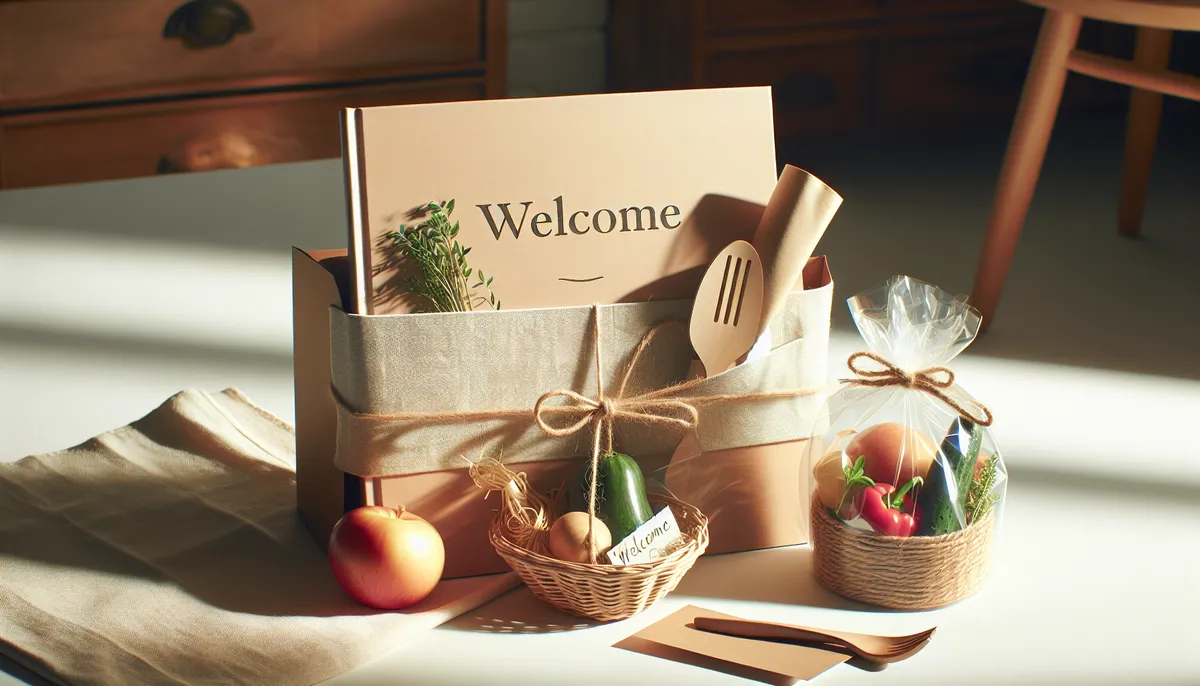
The first week of a coaching relationship is critical.
Your new client is curious but uncertain. They’ve invested money, signed up for the platform, and they’re hoping you’re the real deal. They want to feel supported. They want to see immediate value. And they want to know this isn’t going to be as overwhelming as it feels right now.
This is where most coaches fumble. They hand the client a questionnaire, schedule a planning call for later in the week, and leave the client in a holding pattern. The client logs in, sees an empty dashboard, and thinks: Is anything happening here?
There’s a better way. Hand every new client a recipe book before your first call. Specifically, a “Getting Started” or “Welcome” recipe book that’s ready to use on day one.
This simple move signals professionalism, delivers immediate value, builds confidence, and sets the tone for your coaching relationship. Here’s exactly how to do it.
Why a Welcome Recipe Book Works
Before we get into the mechanics, let’s understand why this strategy works:
It creates an immediate experience. Your client doesn’t have to wait for a customized meal plan. They have something to use right now. That matters psychologically. They feel the coaching is active and present.
It’s a proof of concept. The recipe book shows your curation, your nutritional knowledge, and your ability to organize information clearly. It’s proof you know what you’re doing.
It reduces onboarding friction. New clients are anxious about change. Giving them simple, approachable meals to start with builds confidence before you layer on personalization.
It buys you time. While you’re preparing your client’s custom meal plan or programming their training, they have something valuable to work with. You’re not in a race to deliver everything on day one.
It’s scalable. You build this book once and share it with every new client. It’s leverage.
What to Include in a Welcome Recipe Book
Your welcome book should feel like a gentle introduction to healthy eating, not a restrictive meal plan. The goal is confidence, not perfection.
Meal Selection Strategy
Include meals that meet these criteria:
Easy wins. Include some meals that are shockingly simple. A basic chicken and rice with roasted vegetables. Greek yogurt with granola. A simple egg scramble. These “easy” meals give new clients a quick win and show that healthy eating doesn’t require culinary school.
Pantry-friendly. Focus on meals made from common, accessible ingredients. Avoid exotic proteins or obscure seasonings. Your new client is already overwhelmed, so they don’t need a shopping treasure hunt.
Quick meals. Include a section of meals that are ready in 15 minutes or less. New clients are often skeptical about time commitment. Quick meals prove that eating well doesn’t require hours in the kitchen.
Variety across macros. If you coach clients with different goals (fat loss, muscle gain, maintenance), include options that span that range. A breakfast that’s 20g protein works for everyone. A dinner that’s 50g protein works for muscle builders.
No weird ingredients. Save the meal prep hacks, the obscure substitutions, and the “ninja nutrition” for later. Right now, keep it straightforward.
Structure and Sections
A welcome book should have 4–6 sections that feel intuitive:
Breakfasts (6–8 meals)
- High-protein pancakes
- Scrambled eggs with toast
- Overnight oats
- Greek yogurt parfait
- Simple smoothie
- Avocado toast
Lunches (8–10 meals)
- Grilled chicken Caesar salad
- Turkey sandwich with veggies
- Ground turkey tacos
- Baked salmon and rice
- Lentil soup
- Pasta with marinara and turkey
Dinners (8–10 meals)
- Grilled chicken with sweet potato
- Ground beef stir-fry
- Baked fish with roasted vegetables
- Slow cooker chili
- Spaghetti and meatballs
- Sheet pan roasted chicken and veggies
Snacks (4–6 meals)
- Apple and almond butter
- Cottage cheese and berries
- Protein shake
- Hummus and vegetables
- Hard-boiled eggs
- String cheese and an orange
Optional: Meal Prep Ideas (3–4 items)
- Batch-cooked ground turkey
- Prepped rice containers
- Pre-cut vegetable platters
- Hard-boiled eggs
Keep each section manageable. 25–35 total meals is perfect for a welcome book, enough to feel like a real resource, but not so overwhelming that the client feels buried in options.
How to Build and Share Your Welcome Book
Step 1: Create the Recipe Book
In HubFit:
- Go to your Meal Library
- Click “Create Recipe Book”
- Name it “Getting Started” or “Welcome to [Your Coaching]”
- Write a brief description: “A curated collection of simple, delicious meals to get you started”
- Add a cover image that feels warm and inviting (not clinical)
Step 2: Organize Into Sections
Use consistent, beginner-friendly section names. Avoid overcomplicated taxonomy. “Breakfasts” beats “AM Protein Options.” “Quick Dinners” beats “30-Minute Macro-Balanced Entrées.”
For most welcome books, we recommend the list or narrow cards display format. It’s clean, easy to browse, and doesn’t feel overwhelming.
Step 3: Add Your Best Meals
Pull from your Meal Library and add meals that meet the criteria above. If you don’t have these basic meals documented yet, now is the time to add them. These foundational meals are the backbone of any coaching program.
Every meal should have:
- A clear, appetizing name
- A 1–2 sentence description highlighting the benefit (“Quick, high-protein, and delicious”)
- Step-by-step preparation instructions
- Complete ingredient list
- Accurate macros
Step 4: Test It
Before you share it with clients, review it as if you’re a new client. Do the meals feel achievable? Are the instructions clear? Is the variety balanced across breakfast, lunch, dinner, and snacks?
This is your coaching brand on display. Make sure it represents you well.
Step 5: Share It on Day One
When your new client completes their sign-up, immediately grant them access to your welcome book.
In HubFit, simply:
- Open your welcome recipe book
- Click “Manage Access”
- Select your new client
- Send them a quick message: “Welcome! I’ve added a Getting Started recipe book to your dashboard. These are simple, delicious meals to start with. We’ll customize everything further during our first call.”
That message transforms their experience from “I’m waiting” to “I’m already using this.”
A Real-World Onboarding Example
Here’s what a complete welcome book onboarding looks like:
Monday – Day of Sign-Up:
- Client signs up and receives a welcome email
- Welcome email directs them to their HubFit dashboard and mentions the recipe book
- Client logs in and immediately sees the “Getting Started” book
- Client browses a few meals and feels relief: “These look doable”
Tuesday:
- Client makes breakfast from the book (simple scrambled eggs)
- Client feels successful
- Client is now genuinely interested in the first call
Wednesday – First Coaching Call:
- You ask: “How did the meals go?” Client can actually report on eating from the book
- You listen, learn their preferences, and start building customization ideas
- You explain: “Your custom plan will be tailored to your specific goals, but these foundational meals will always be available to you”
- Client feels like you’ve started the process, not delayed it
Thursday:
- Client starts trying lunch and dinner options from the book
- Client is building confidence
Week Two:
- You’ve shared the client’s custom plan
- Client now has both the welcome book AND their personalized meals
- This creates a beautiful tiered system: the foundation (welcome book) plus personalization (their plan)
Welcome Books for Different Client Types
You might create different welcome books based on your coaching focus:
“Welcome: Fat Loss Focus.” Lower-calorie, high-volume meals. Include lots of vegetables and lean proteins. Emphasize satiety and satisfaction.
“Welcome: Muscle Building Focus.” Higher-protein meals. Include portions that support strength training. Highlight convenient, portable high-protein options.
“Welcome: Flexible & Balanced.” Neutral meals that work for various goals. Good for clients who are still figuring out their focus.
“Welcome: Busy Professional.” Emphasize quick, no-fuss meals. Minimal prep. Maximum convenience.
You can build these variations once and then share the relevant version with each client based on their initial assessment.
Timing and Maintenance
Your welcome book isn’t static. Update it quarterly:
- Remove meals that new clients don’t use
- Add seasonal ingredients that become available
- Rotate in a few new recipes to keep it fresh
- Replace photos if they get dated
A welcome book that’s been updated recently signals that you’re actively maintaining it. Clients notice.
The Confidence Cascade
Here’s what actually happens when you implement this strategy:
- New client feels supported on day one (not in a holding pattern)
- New client tries the meals and succeeds (confidence builds)
- New client comes to your first call having already invested in the process
- New client is more receptive to feedback and customization
- New client integrates their custom plan as an enhancement, not an overhaul
This confidence cascade accelerates progress and improves long-term retention. New clients who feel successful early are more likely to stick with you through inevitable plateaus.
Implementation Today
Build or refine your welcome recipe book this week. If you already have a well-organized collection of foundational meals, you might just need to curate and repackage them. If you need to add content, focus on those bread-and-butter meals first.
Share this book with your next new client on day one of their onboarding. Watch how it changes the feel of your first interaction.
Your new clients are hoping you’re the real deal. A professional, thoughtfully curated welcome book proves it.
Ready to Improve Your Client Onboarding?
Create your welcome recipe book on HubFit today and share it with new clients on day one. It sets the tone for a professional, values-driven coaching relationship.
Related reading:

The HubFit team shares expert insights on training, nutrition, and wellness to help coaches and clients achieve their fitness goals.