How to Use Recipe Books Alongside Meal Plans for Maximum Results
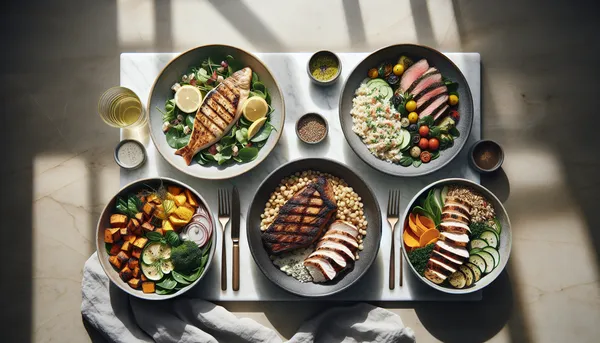
The hybrid approach combining meal plans with recipe books: structured nutrition guidance with flexibility for different client phases and goals.

Here’s the coaching dilemma many nutrition coaches face: meal plans provide structure and clarity, but clients crave flexibility. Recipe books offer options and autonomy, but clients sometimes feel lost without direction.
Most coaches choose one: either meal plans or recipe books.
What if you could leverage both?
The most effective nutrition coaches aren’t choosing between meal plans and recipe books. They’re using them strategically together, with meal plans for structured guidance and recipe books for flexibility. This hybrid approach gives clients the best of both worlds: the certainty of a plan and the freedom of choice.
Let’s explore how to blend these tools for maximum client results.
Understanding the Strengths of Each Tool
Before combining them, let’s be clear about what each tool does best.
Meal Plans excel at:
- Providing day-by-day structure and clarity
- Simplifying the “what should I eat?” decision
- Ensuring specific macro and calorie targets are met
- Building habits through consistency
- Reducing decision fatigue
A meal plan says, “Monday breakfast is eggs and toast. Monday lunch is grilled chicken and broccoli.” The client knows exactly what to do.
Recipe Books excel at:
- Offering autonomy and choice
- Preventing boredom and monotony
- Teaching principles (macros, nutrition, combinations) rather than rigid structure
- Developing cooking skills and confidence
- Adapting to real-life constraints and preferences
A recipe book says, “Here are 30 lunch options between 400-500 calories with 30g+ protein. Choose any.” The client has flexibility within guardrails.
Neither is better. They serve different purposes.
The power comes from using them together strategically, with each tool serving a specific role in the client’s journey.
Strategy 1: Recipe Book as a Swap Library
Your client has a meal plan: fixed meals for each day, carefully constructed to hit their macros and goals.
But rigidity is the enemy of adherence. One day, they don’t have the ingredients for Monday’s grilled salmon. Their schedule shifts and they can’t prepare the planned lunch. They’re craving something different.
That’s where the recipe book becomes a swap library.
Here’s the approach:
Provide your client with:
- A structured meal plan (their core nutrition framework)
- A complementary recipe book of swap options (built to match the same macro targets as the meals in their plan)
Within the meal plan, you note: “Any meal marked [HIGH PROTEIN] can be swapped with any recipe from the ‘High-Protein Lunch Swaps’ section in your recipe book.”
Now your client has structure and flexibility. They follow the meal plan on days when everything works. When life gets messy, they swap in a recipe book option that maintains their nutrition targets.
Why this works:
- Structure is preserved (they’re still hitting macros)
- Adherence improves (flexibility reduces the chance of quitting)
- Client autonomy increases (they make choices within guardrails)
- Your job gets easier (swaps are pre-vetted and nutritionally sound)
You’re not creating new meal plans every time a client needs a swap. You’ve built a standardized swap library that serves many clients.
Strategy 2: Recipe Book for Off-Plan Days
Most coaching isn’t 100% structured 100% of the time.
A typical client might be on a meal plan during the week, when structure is most valuable, but on weekends, they want autonomy. Or they’re on a plan during their work month but take vacations where rigid meals aren’t realistic.
That’s a perfect use case for recipe books.
The workflow:
“During the week, follow your meal plan. On weekends and vacations, use your recipe book to make choices that align with your goals, but without strict meal-by-meal guidance.”
You can even provide guidance within the recipe book:
- Tag recipes by goal (fat loss, muscle gain, maintenance)
- Note macros prominently so clients can track if they choose to
- Organize by occasion (weekend entertaining, casual weeknight, quick emergency meals)
Your client follows the meal plan when structure matters most. When life opens up (weekends, travel, special occasions), they use the recipe book as a flexible framework.
Why this works:
- Your coaching fits real life
- Clients don’t feel imprisoned by plans
- They develop decision-making skills
- Adherence improves (people are more likely to stick with plans that allow flexibility)
Strategy 3: Recipe Books for the Maintenance Phase
One of the most critical moments in a coaching relationship is when a client reaches their goal.
They’ve lost 20 pounds. They’ve built muscle. They’re in the best shape of their life. Now what?
If you suddenly remove the meal plan structure, they often revert to old habits. The goal was achieved, but without guidance, they backslide.
That’s the perfect moment for a recipe book pivot.
The approach:
As clients transition from a “get results” phase to a “maintain results” phase, shift them from meal plans to recipe books.
You might introduce it like this: “You’ve crushed your goals. Now it’s about finding sustainable patterns that work for your life. Here’s your recipe book. It contains hundreds of meals that support your goals. Rather than a daily plan, you’ll develop the skill of choosing meals that align with your nutrition principles.”
This is profoundly powerful because:
- It acknowledges the client’s success
- It signals a shift from “being told what to eat” to “understanding how to eat”
- It increases their autonomy at the exact moment they’re most confident
- It’s sustainable long-term (recipes are more flexible than rigid meal plans)
Your role shifts from “meal plan creator” to “principle coach.” You’re teaching them the rules of your recipe book and coaching them to make good choices within those rules.
Many of your most successful clients stay longest during maintenance precisely because they feel more in control.
Strategy 4: Tiered Coaching Packages Using Both Tools
You can also use the combination of meal plans and recipe books to structure your service offerings.
Basic Package: Recipe book only. Clients get your curated collection of meals, nutrition guidance, and weekly coaching on making choices within that framework. No personalized meal plan.
Mid-Tier Package: Meal plan + recipe book. Clients get a personalized meal plan for structure, plus the recipe book for flexibility and swaps.
Premium Package: Custom meal plan + custom recipe book. Fully personalized meals and a custom recipe book built specifically around their preferences and macros.
Each tier represents increasing personalization and structure. Clients can start in the basic package and upgrade as they invest more in their goals.
Why this works:
- You’re leveraging recipe books and meal plans to serve different customer segments
- Price points reflect the differentiation
- You’re maximizing revenue without proportional effort (basic and mid-tier packages use standardized recipe books)
- Clients can upgrade as needed
Real-World Client Scenarios
Let’s see this in action.
Client A: The Structure-Lover She’s hired you because she thrives on clear direction. She gets a detailed meal plan with every meal specified. But you also provide your recipe book with swap options (same macros) so if something doesn’t work, she has approved alternatives. She rarely uses the book, but knowing it’s there reduces her anxiety.
Client B: The Flexibility-Seeker He wants to feel in control but needs nutrition guidance. He gets a hybrid: meal plan for weekdays (when he’s busy and needs structure) and your recipe book for weekends (when he has time to cook and wants to choose). He adheres better because the structure is there when he needs it, and freedom is there when he wants it.
Client C: The Goal-Achiever She was on a meal plan during her weight-loss phase and hit her goal. You transition her to recipe-book-based coaching during maintenance. She now manages her own meals within the framework, checking in with you monthly. She feels more empowered. She stays longer. You spend less time creating plans.
Client D: The Custom Client He’s on a premium package with both a personalized meal plan and a custom recipe book built around his schedule and preferences. The plan gives him daily structure. The recipe book gives him the flexibility to swap or adapt on non-negotiable days. Maximum adherence.
Each of these clients benefits from having both tools available, but used strategically for their needs.
Building Your Hybrid System
To implement this approach in your coaching:
-
Clarify your recipe book strategy. Is it a swap library? A weekend guide? A maintenance tool? All of the above? Be intentional about what it represents to clients.
-
Make the connection explicit in coaching. Don’t assume clients see the connection between their meal plan and recipe book. Actively coach them on how to use each tool and when. Show examples of swapping. Celebrate when they make good choices from the recipe book.
-
Design your recipe book to complement your meal plans. If clients are following macro-based plans, organize your recipe book by macros. If your plans follow a specific structure, mirror that structure in the book. Alignment matters.
-
Use transitions strategically. As clients progress (early phase → goal phase → maintenance), intentionally shift the emphasis from meal plans to recipe books. Frame it as an evolution, not a withdrawal.
-
Tier your offerings. Use the combination of plans and books to create package tiers that serve different client segments and budgets.
The best nutrition coaching isn’t choosing between structure and flexibility. It’s knowing when each is needed and having the tools to provide both.
Maximizing Results Through Strategic Combination
Here’s the truth: clients need structure when they’re building new habits, but they need flexibility to sustain those habits long-term. Meal plans and recipe books serve different phases of the client journey.
By using them together intentionally, with meal plans for specific phases and recipe books for transitions and flexibility, you create coaching that feels both reliable and empowering. Clients follow your plans because they’re clear. They stay with your coaching because it grows with them.
That’s the hybrid approach. That’s maximum results.
Ready to Implement a Hybrid Coaching Model?
HubFit’s integrated meal planning and recipe book features make it seamless to offer both tools in complementary ways. Create the structure clients need and the flexibility they crave.
Learn more about HubFit’s coaching features →
Related Reading

The HubFit team shares expert insights on training, nutrition, and wellness to help coaches and clients achieve their fitness goals.