Netflix for Fitness: Why On-Demand Workouts Are the Future
How the Netflix content model is transforming online fitness coaching and why smart coaches are adapting now.

When Netflix first launched, the idea of scrolling through thousands of movies and watching what you wanted, when you wanted, felt revolutionary. You weren’t locked into broadcast schedules or forced to sit through advertisements. You had control.
That same revolution is now happening in fitness coaching.
For decades, fitness looked one way: structured classes at fixed times, rigid training programs on paper, or one-on-one sessions booked months in advance. But today’s clients aren’t settling for that anymore. They’re scrolling through workout options the way they browse Netflix, expecting personalized recommendations, variety, and the freedom to choose what fits their mood and schedule right now.
The coaches who understand this shift and are building on-demand workout libraries instead of static program PDFs are the ones winning with clients and scaling their businesses.
The Streaming Revolution Came to Everything. Fitness Was Next.
Think about how entertainment transformed when streaming arrived. Before Netflix, you had limited options: go to a video rental store, wait for your TV show to air on Tuesday nights, or buy DVDs. The friction was real.
Then streaming removed that friction entirely. Suddenly, your entire entertainment library was available instantly, personalized to your taste, with recommendations based on what you’d watched before. You could binge when you wanted. Skip what didn’t appeal to you. Discover new content without leaving home.
The shift was so fundamental that it didn’t just change how people consumed content. It changed what they expected from every service. Even restaurants now expect you to be able to browse menus online. Hotels let you check in from your phone. The on-demand, frictionless experience became the baseline.
Fitness coaching is experiencing the exact same transition.
Fitness Clients Now Expect Netflix-Style Experiences
Your clients aren’t comparing your coaching to another coach’s spreadsheet anymore. They’re comparing it to the streaming experiences they use every single day.
When they open your training app or your coaching platform, here’s what they unconsciously expect:
- Instant access. They want to see workout options immediately, not wait for an email or scheduled class time.
- Personalized suggestions. “Based on your workouts, try this…” feels like the standard now.
- Browse-and-choose. They want to see multiple options and pick what fits their current energy level and goals.
- Mobile-first delivery. They want to work out wherever they are, with a great experience on their phone.
- On-demand variety. They expect dozens or hundreds of options, not just 3-4 rigid programs per year.
This doesn’t mean your clients want to ditch coaching. It means they expect coaching to adapt to how they already consume content. They want you, the coach they trust, curating and delivering workouts the way Netflix curates and delivers shows.
And the coaches who get this are already winning.
What “Curated Content” Really Means for Your Coaching
Here’s the key distinction: on-demand isn’t the same as generic.
Netflix doesn’t just throw 10,000 random movies at you. They curate. They recommend based on your preferences. They organize by genre, by mood, by vibe. The curation is the value.
The same applies to on-demand fitness coaching.
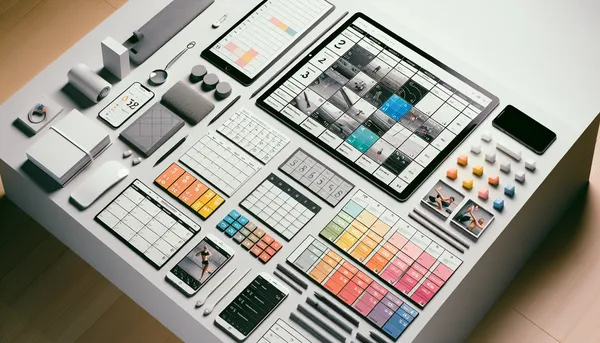
When you build an on-demand workout library for your clients, you’re not just uploading a bunch of random videos. You’re curating. You’re saying: “Here are 40 lower-body workouts I’ve designed, organized by equipment, intensity, and goal. Here’s which one I recommend for you based on your training history. Here’s what to do next.”
That’s not passive content consumption. That’s guided content consumption. It’s still coaching, just delivered in a format clients now expect.
The coaches who understand this are positioning themselves as experts who’ve done the hard work of building comprehensive, thoughtful libraries that save clients time and confusion. And clients are happy to pay for that curation.
The Rise of On-Demand in Fitness Is Already Here
This isn’t speculation. It’s already happening across the fitness industry.
Peloton built a multi-billion-dollar business on the idea of on-demand workout variety. YouTube fitness creators exploded because they offered thousands of free workout options on demand. Apps like Down Dog and Nike Training Club thrived because they let users browse and choose workouts instantly. Clients didn’t have to commit to a single 12-week program. They could pick what they wanted today.
The coaches winning right now are the ones who realized: these platforms are competing with me, so I need to offer what they offer.
Instead of fighting the shift, smart coaches are embracing it. They’re building their own on-demand workout libraries, positioning themselves as the expert curator that clients trust, and using that library as the foundation of their coaching business.
Platforms like HubFit Workout Studio are making this possible. Instead of coaches having to build video hosting, exercise databases, and mobile apps from scratch, they can focus on what they do best: designing excellent workouts and building relationships with clients. The platform handles the on-demand delivery and the seamless experience.
Coach-Curated Always Beats Generic
Here’s what separates thriving online coaches from struggling ones: personalization and trust.
A client can find generic workout videos anywhere. They can follow random Instagram fitness creators for free. But they won’t get your programming, your expertise, or your understanding of their specific goals and limitations.
When you build an on-demand library of your workouts, you’re not competing with Netflix or YouTube. You’re offering something they can’t: coaching from someone who knows them.
The on-demand format just makes that coaching more accessible and frictionless. A client can now:
- Browse your library whenever they want
- Pick a workout that fits their current situation
- Get coached through that workout with your cues and progressions
- Log their performance and get feedback based on their data
That’s not less personalized coaching. It’s coaching delivered in the format clients now expect.
The Path Forward: Build Your Library
If you’re still delivering fitness coaching through PDFs, email program updates, or old-school spreadsheets, the question isn’t whether to adapt. It’s how fast you can move.
Start small if you need to. Pick your most popular training program and convert it into an on-demand format. Organize it by workout type. Add video demonstrations. Make it mobile-friendly. Let clients browse and choose.
Then expand. Build a library of 20 workouts. Then 50. Then 100. Organize by goal, intensity, duration, and equipment. Add recommendations based on what they’ve been doing.
The coaches who have done this, who’ve built comprehensive on-demand libraries, report higher client retention, the ability to serve more clients without increasing time spent programming, and the ability to charge premium prices because they’re offering a premium experience.
This is the future of online coaching. The best time to build your library was yesterday. The second best time is today.
Key Takeaways
- Clients now expect on-demand, Netflix-style experiences from every service, including fitness coaching
- The shift from rigid schedules to on-demand choice is fundamental, not a passing trend
- Curated content from a trusted coach beats generic content every time
- On-demand libraries let coaches scale their expertise while maintaining personalization
- Platforms like HubFit make it feasible for individual coaches to offer professional, on-demand coaching experiences
Next steps: Explore how you could adapt your current training programs into an on-demand format. Start with your most popular offering and test it with your core clients.
Related Reading

The HubFit team shares expert insights on training, nutrition, and wellness to help coaches and clients achieve their fitness goals.