The Art of Writing Clear Meal Prep Instructions
Learn how to write crystal-clear meal prep instructions that boost client compliance. Master the structure, formatting, and techniques that turn recipes into...
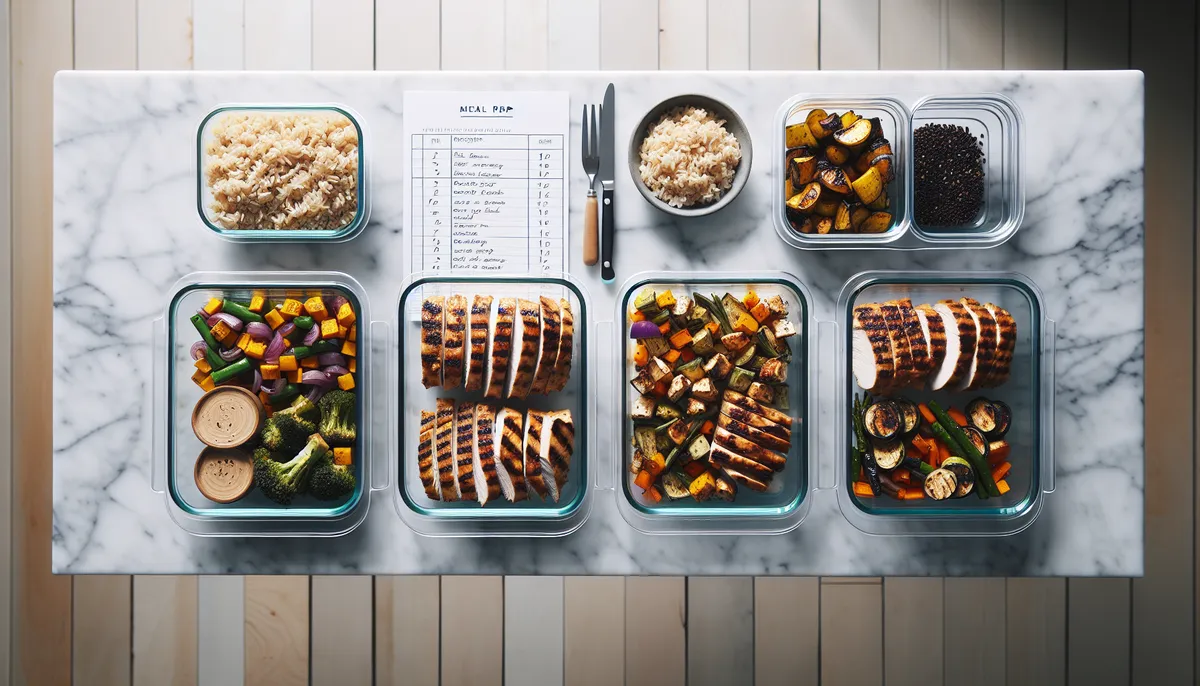
When a client opens a recipe in your HubFit recipe book, they’re looking for guidance, not assumptions. The difference between clear instructions and vague ones can mean the difference between a client who successfully preps their meals and one who orders takeout instead.
Clear meal prep instructions drive client compliance. When your clients understand exactly what to do, and why, they’re far more likely to stick to their nutrition plan. This is where precision in writing becomes a coaching tool.
Why Clear Instructions Matter for Client Compliance
Your written instructions are essentially your voice in your client’s kitchen. They can’t ask you a question mid-prep. That’s why ambiguity is your enemy.
Research in behavioral nutrition shows that clients with detailed, step-by-step guidance achieve significantly higher adherence rates. When instructions are vague (“cook until done” or “season to taste”), clients make assumptions. These assumptions often lead to deviations: too much salt, overcooked proteins, skipped steps.
Clear instructions do three things:
- Build confidence - Clients feel prepared, not overwhelmed
- Reduce decision fatigue - Specifics eliminate guesswork
- Enable consistency - Repeated success reinforces habit formation
In HubFit’s Recipe Book feature, your instructions become a reusable asset shared with multiple clients. Each word you invest pays dividends across your entire roster.
See how to build meals with detailed instructions using HubFit’s Nutrition Builder:
The Anatomy of Good Meal Prep Instructions
Strong meal prep instructions follow a predictable, scannable structure. Think of your recipe as a safety briefing on an airplane. Clients need to find key information quickly.
1. Equipment Section First
Start with what clients need before they begin. This prevents mid-prep frustration.
Good format:
- 1 large mixing bowl
- Baking sheet (rimmed)
- Sharp chef’s knife
- Measuring spoons
- Oven thermometer (optional but recommended)
Why list this first? Clients can gather tools before committing time. If they’re missing equipment, they know immediately.
2. Ingredient Prep (The Mise en Place)
List ingredients with specific prep instructions inline:
- 2 lbs chicken breast, cut into 1-inch cubes
- 3 cups broccoli, cut into florets (about 1-2 inches)
- 1 tablespoon olive oil (measured, not poured)
Notice: quantities are exact, prep descriptions are precise (“1-inch cubes” not “chunked”), measurements are standardized. Your clients aren’t professional cooks. They’re busy people following your guidance.
3. Numbered Steps (The Core)
Each step should accomplish one thing and take roughly 2-3 minutes.
Less effective: “Cook the chicken and vegetables in the oven until everything is ready.”
More effective: “1. Preheat oven to 400°F for 10 minutes. 2. Place chicken cubes on baking sheet in a single layer. 3. Drizzle with olive oil; toss until evenly coated. 4. Arrange broccoli around chicken. 5. Bake for 18-20 minutes until chicken reaches 165°F (checked with meat thermometer in thickest piece). 6. Stir once halfway through (at 9-10 minutes).”
Notice the specifics:
- Exact temperature and preheat time
- Single-task steps
- Internal temperature for doneness (more reliable than appearance)
- Timing for mid-step checks
- Quantities of movement (“stir once”)
4. Storage and Timing Instructions
End with practical logistics:
“Cool for 5 minutes. Portion into 5 containers. Refrigerate for up to 4 days. Can be frozen for 2 months (thaw in fridge overnight before reheating). Reheat in microwave 2-3 minutes (stirring halfway) or oven at 350°F for 8-10 minutes.”
This tells clients: how long to keep it, how to store it, how to use it later.
Structuring Instructions for Different Skill Levels
One size doesn’t fit all. Coaches often serve clients across a spectrum of cooking ability, from “I order delivery regularly” to “I meal prep like a professional.”
The Universal Base
For your HubFit Recipe Book, write your core instructions for the intermediate beginner: someone who can boil water and use an oven, but isn’t confident improvising.
Add Progressive Variations
After your main instructions, use a simple structure:
For beginners: “If you’re new to cooking chicken, use a meat thermometer (check thickest piece reaches 165°F). This ensures food safety and prevents drying out.”
For experienced cookers: “For a crispier texture, increase oven temp to 425°F and reduce cooking time to 16 minutes. Watch closely after minute 14.”
This approach keeps your recipe accessible while honoring cook experience levels.
Bad vs. Good Instructions: Real Examples
Bad Example: “Season chicken and veggies, cook until done, serve with rice.”
Problems:
- No quantities for seasonings
- “Done” is subjective
- No temperatures or times
- No equipment list
- Missing step clarity
Good Example: “Equipment: 1 large baking sheet, measuring spoons, meat thermometer, mixing bowl.
Ingredients: 1.5 lbs chicken breast (cut into 1-inch cubes), 2 cups mixed vegetables (zucchini, bell peppers, onions, all cut to 1-inch pieces), 1 tablespoon olive oil, 1 teaspoon sea salt, ½ teaspoon black pepper, 1 teaspoon garlic powder.
Instructions:
- Preheat oven to 400°F for 10 minutes.
- In mixing bowl, combine chicken, vegetables, olive oil, and seasonings. Toss until evenly coated (should take about 1 minute).
- Spread mixture in a single layer on baking sheet.
- Bake 20 minutes until chicken is no longer pink and reaches 165°F internally.
- Cool 5 minutes before serving.
Storage: Refrigerate in airtight container up to 4 days. Reheat 2-3 minutes in microwave.”
This version includes everything a client needs.
Practical Tone Matters
Write like a coach, not a food scientist. Use active voice and direct address:
“You’re going to sear these steaks hot and fast…” “Make sure your chicken reaches 165°F…” “Don’t skip the resting time. It matters…”
This creates connection and reinforces that you’re guiding them.
Pro Tips for HubFit Recipe Books
When writing instructions for HubFit’s Recipe Book feature, remember:
- Be hyperspecific about temperatures and times - Ovens vary; clients need a measurable target
- Include visual and tactile cues - “Golden brown” is subjective; “165°F at the thickest point” is not
- Anticipate common mistakes - Add a note: “Stir halfway through to prevent burning”
- Test your instructions yourself - Write from actual experience, not theory
The ROI of Clear Instructions
Clients who follow clear instructions successfully execute recipes. Successful execution builds confidence. Confidence breeds consistency. Consistency drives results.
In HubFit, these instructions live in your Recipe Book, a reusable asset you share with new and existing clients. Each hour you invest in clarity multiplies across your entire roster.
Ready to Build Your Recipe Book?
Clear instructions are the foundation of a Recipe Book that clients actually use. HubFit’s Recipe Book feature lets you organize recipes by dietary preference, add detailed instructions, and share them instantly with clients. Start building your reusable nutrition resource today.
Related Reading:

The HubFit team shares expert insights on training, nutrition, and wellness to help coaches and clients achieve their fitness goals.